
Our Location
304 North Cardinal St.
Dorchester Center, MA 02124

Once you have assessed your organization’s readiness, you need to develop a strategic implementation plan. This involves defining the scope of the project, identifying the resources required, and establishing a timeline for implementation. You also need to consider the potential risks and challenges and develop mitigation strategies. As finance processes get further automated, cyberattacks could trigger even larger disruptions.

Automated audit trails and adherence to predefined rules ensure that processes are consistently compliant with regulatory requirements and internal policies. This reduces the risk of penalties, reputational damage, and financial losses, strengthening the overall governance framework through an autonomous function. Yes, small businesses can use reconciliation software to reduce manual workload, prevent errors, and ensure compliance with financial regulations. The software automatically matches transactions from internal records with corresponding entries in external statements, significantly reducing manual effort and the potential for errors. Advanced algorithms can handle large volumes of transactions, ensuring swift and accurate matching. But over and above its use to improve operational efficiency and reduce mundane accounting tasks in the audit profession, the tool can also be used to help companies spot errors and risks in the books as well.
This comprehensive data collection leads to more personalized marketing strategies and improved customer experiences, contributing to increased customer loyalty and sales. ERP automation is transforming a variety of industries, enhancing efficiency and streamlining operations. Smart systems enabled with AI and ML automatically handle updates, maintaining productivity without disruption. Often does not utilize cloud-based storage, potentially increasing cybersecurity risks. Now that you understand what ERP automation entails, let’s delve into the distinction between traditional ERP and automated ERP. MindBridge has been helping to automate the work auditors have been doing for years by scanning 100% of the data, rather than just a sample, to spot potential issues.
Once operators know the ins and outs of the equipment they are using, they should be able to inspect the equipment and spot any need for cleaning and maintenance. They need to be able to identify any part of the equipment that needs removal of dust and dirt, nuts and bolts that need tightening, oiling and lubrication, and wear and tear that needs fixing. In summary, ongoing innovation in sensing, navigation, and manipulation will significantly expand Accounting Periods and Methods AMR capabilities, leading to high projected market growth as AMR adoption accelerates across many industries.


These pitfalls make it hard for finance leaders to partner strategically across the business. Autonomous finance addresses these pain points through automation, improved data quality, and real-time analytics. Finance departments and financial institutions face immense pressure to optimize costs, accelerate responsiveness, and keep pace with digital disruptors.
For example, a manufacturer can automate inventory replenishment, ensuring that essential materials are always in stock while reducing excess inventory and minimizing storage costs. autonomous accounting Regular audits and updates to the automation tools are necessary to align with compliance regulations. Businesses should ensure the system tracks changes and generates reports to meet legal reviews.
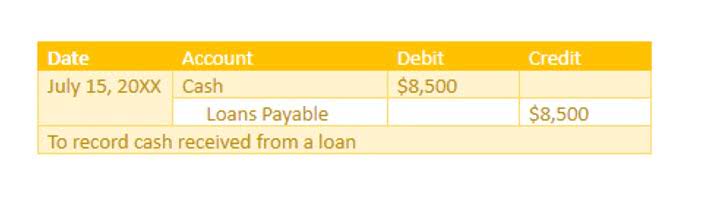
Common automation tools and software used in accounting include automated journal entries, ASC 606 automation software, payroll processing software, invoice management software, and financial reporting software. For example, automated journal entries ensure that transactions are recorded accurately and consistently, reducing the likelihood of discrepancies in financial statements. This enhanced accuracy is crucial for businesses that need to maintain compliance with regulatory requirements and ensure the integrity of their financial data. Global organizations face added financial complexity when doing business across legal entities, countries, and currencies. Automation platforms must accommodate these variations while maintaining consolidated visibility. Effective solutions support multiple accounting standards, automated currency conversions using current exchange rates, and entity-specific workflows within one unified environment.
While automation and autonomous are used interchangeably, they differ greatly in their meaning. In addition to automating tasks, autonomous solutions drive decision-making and constant evolution as new information comes into light. One solution is to introduce programs to train finance team members on how to get the best out of autonomous finance solutions.
The adoption of autonomous systems also requires significant investment in workforce development and training. As autonomous systems become more prevalent, workers will need to develop new skills to work effectively with these systems. For example, a report by the World Economic Forum found that by 2022, more than a third of the desired skills for most jobs will be comprised of skills that are not yet considered crucial to the job Bookkeeping 101 today 6.
Automated systems use AI algorithms to forecast inventory needs, considering factors like production schedules, sales forecasts, and market trends. This predictive approach helps manufacturers optimize inventory levels, reducing excess and avoiding shortages. More cost-effective, often operating on a Software as a Service (SaaS) model, reducing maintenance costs. Mitigate credit risk, reduce bad debt, and streamline customer onboarding with AI-powered insights. ERP systems have long been the backbone of organizational efficiency, integrating various functions into one comprehensive framework, a reflection evident in their notable growth.
